From "The Ghost" to The Two Miracles Project
The Beginning
August 29, 2025
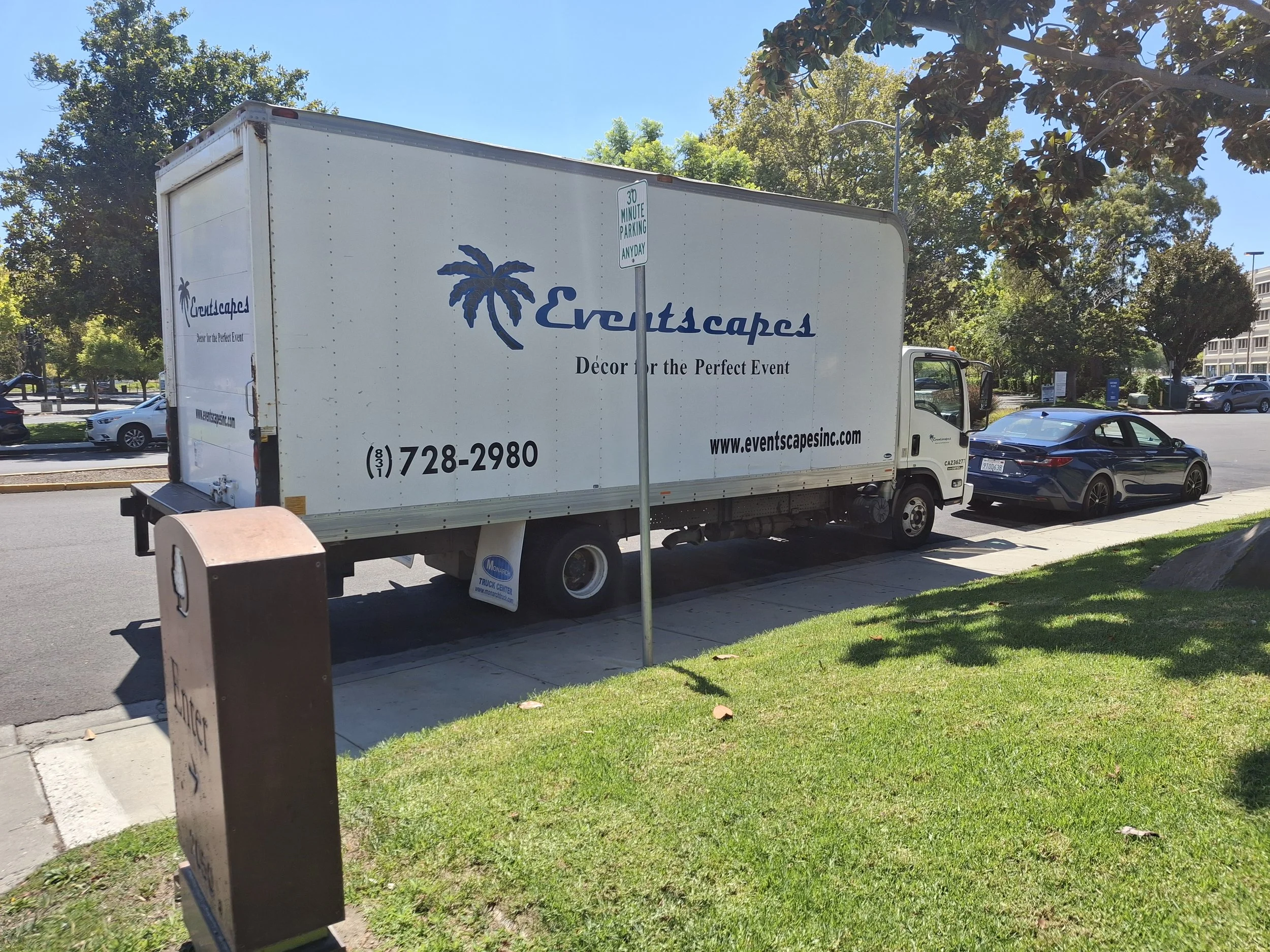
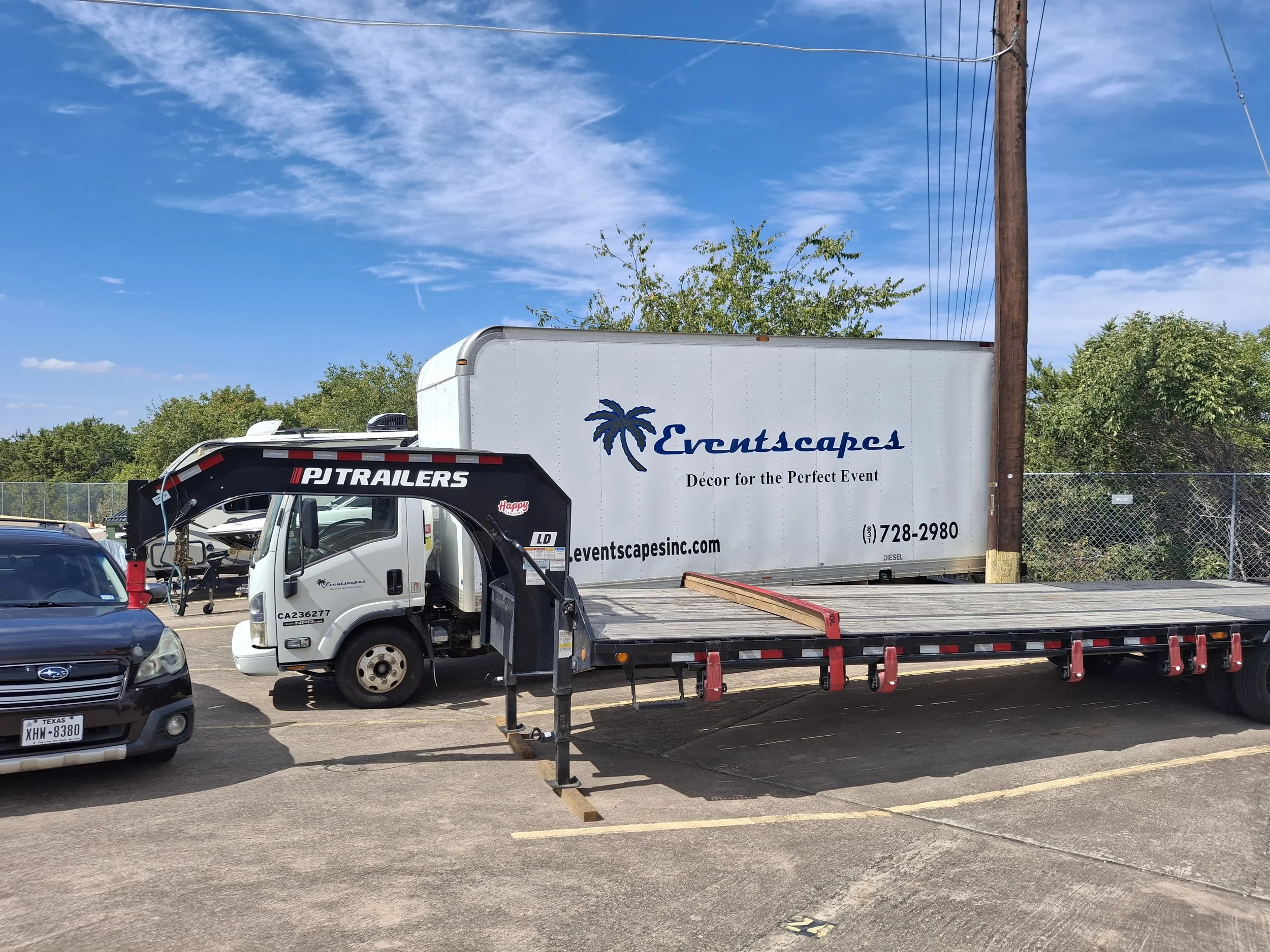
I flew from Austin, Texas to San Jose, California to buy a used 20-foot box truck. The previous owner called her "The Ghost" because she was so quiet she could sneak up on people.
At the time, she was just another commercial delivery truck. I had no idea she would become the foundation for the biggest project of my life.
Closing One Chapter
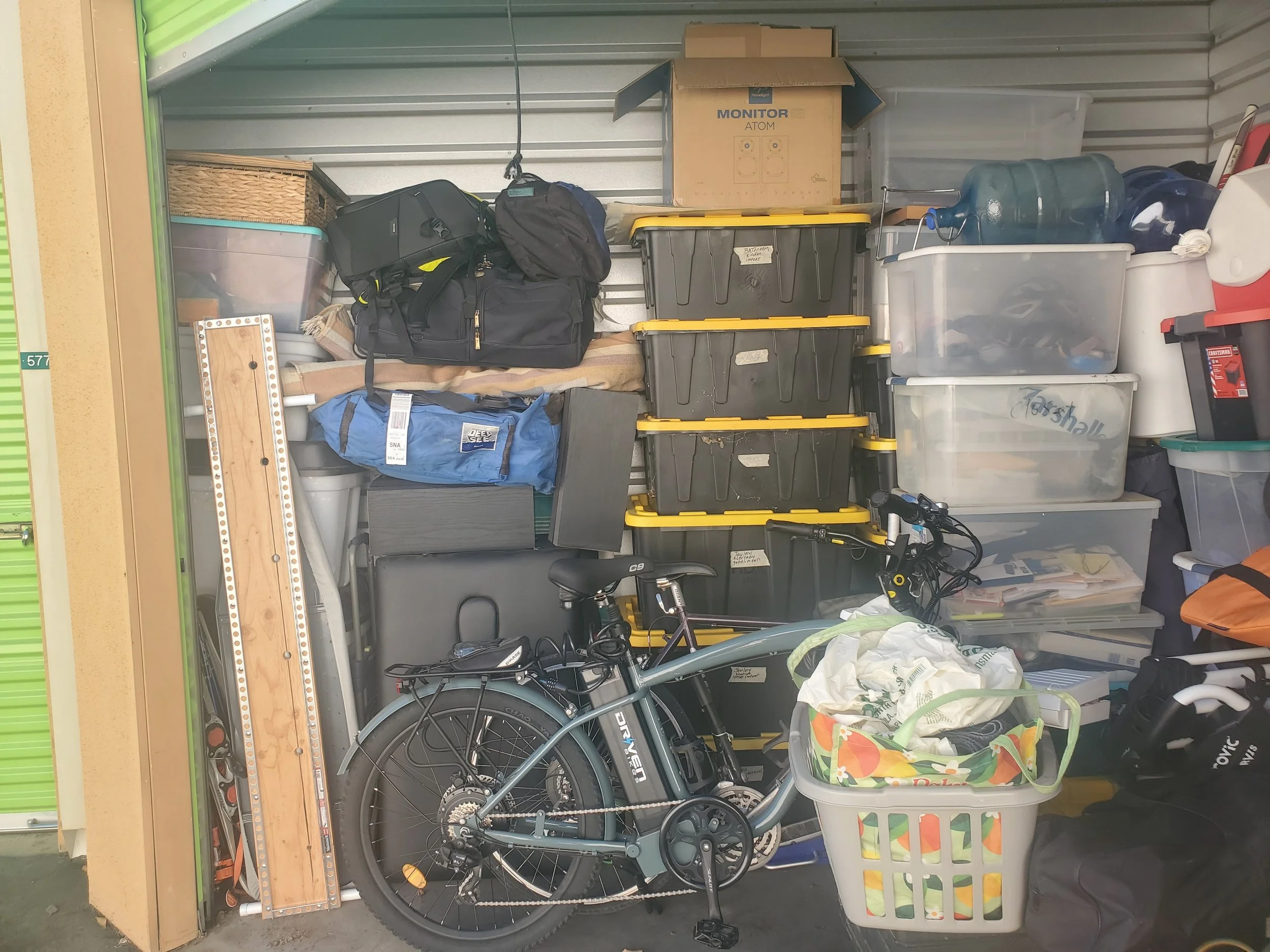
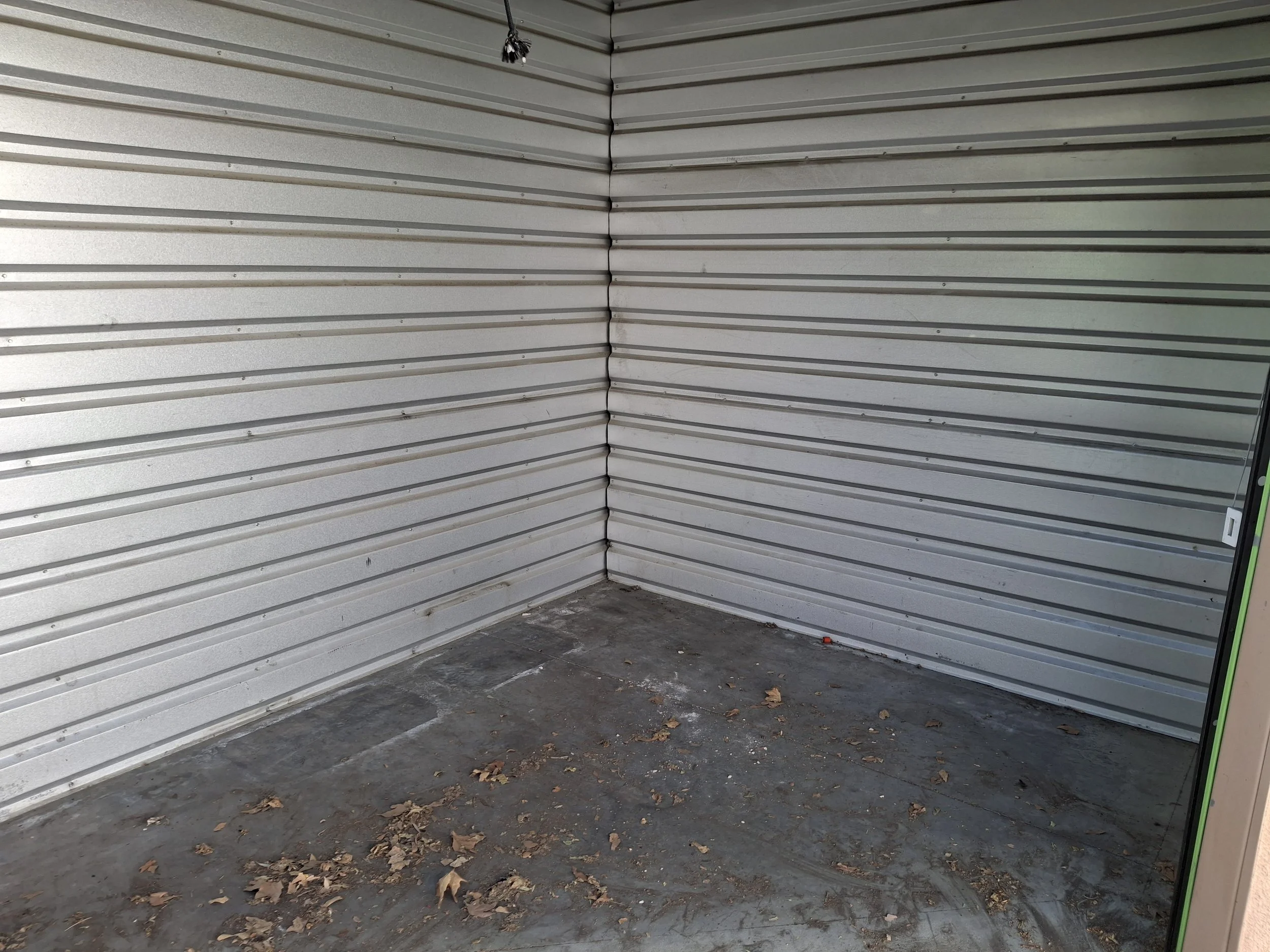
I parked the truck in Temecula, California, where nearly everything I owned was sitting in a storage unit. Before I could build a mobile storytelling studio, I first had to empty one chapter of my life so I could begin another. Everything I Owned... Gone in One Day
Finding a Place to Build a Dream
October 2025
Before I could build a mobile storytelling studio, I had to answer a much simpler question:
Where was I going to build it?
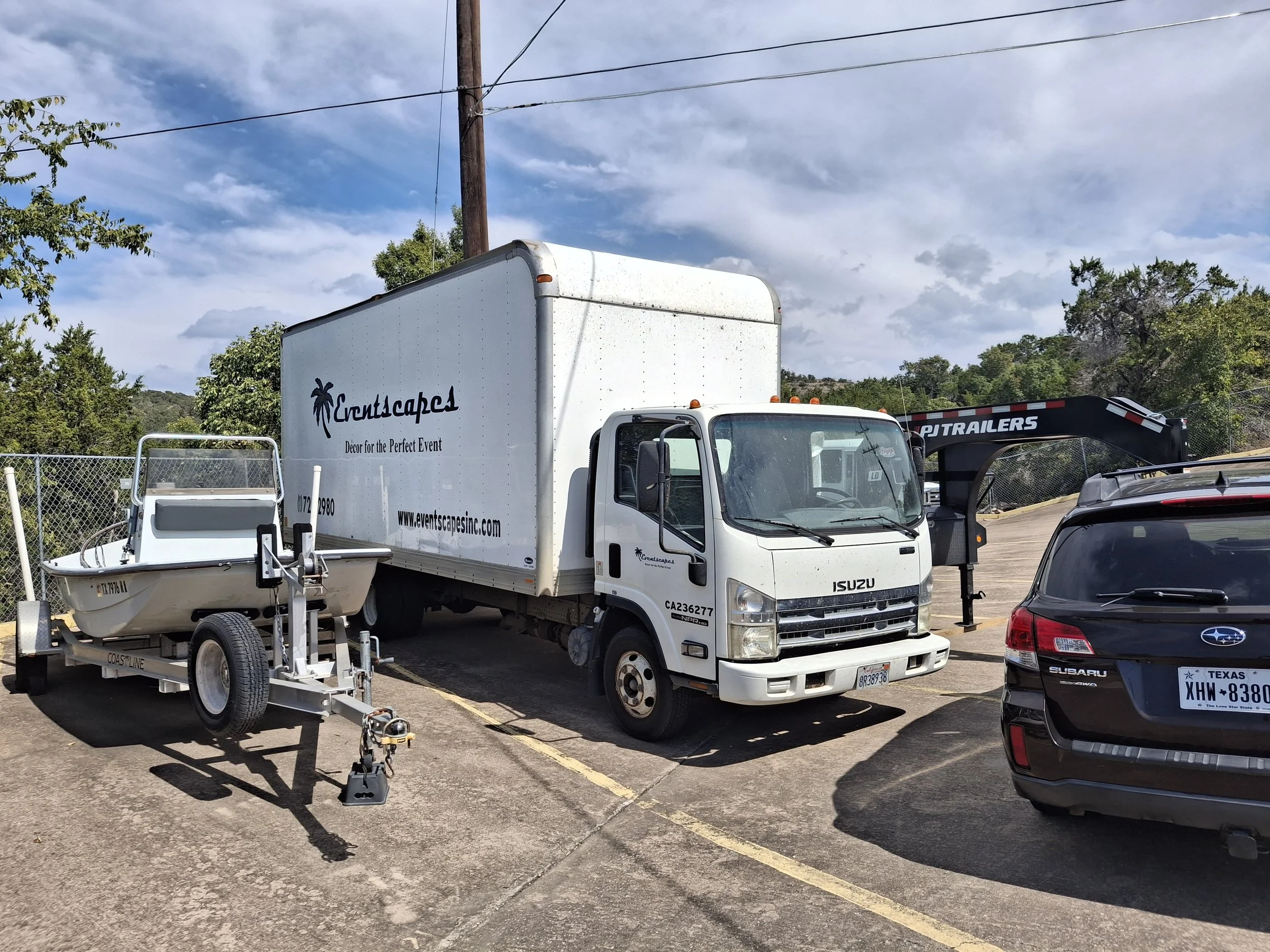
I didn't have a shop. I didn't have a warehouse. I didn't even have a driveway big enough. After searching, I finally rented a storage space in Austin. There was only one problem...
Working on vehicles wasn't allowed. Somehow I convinced the manager to give me a chance. Looking back, that conversation may have been every bit as important as buying the truck itself.
Without a place to build the dream... the dream never gets built.
Before I Could Build the Truck, I Needed Electricity
October 2025
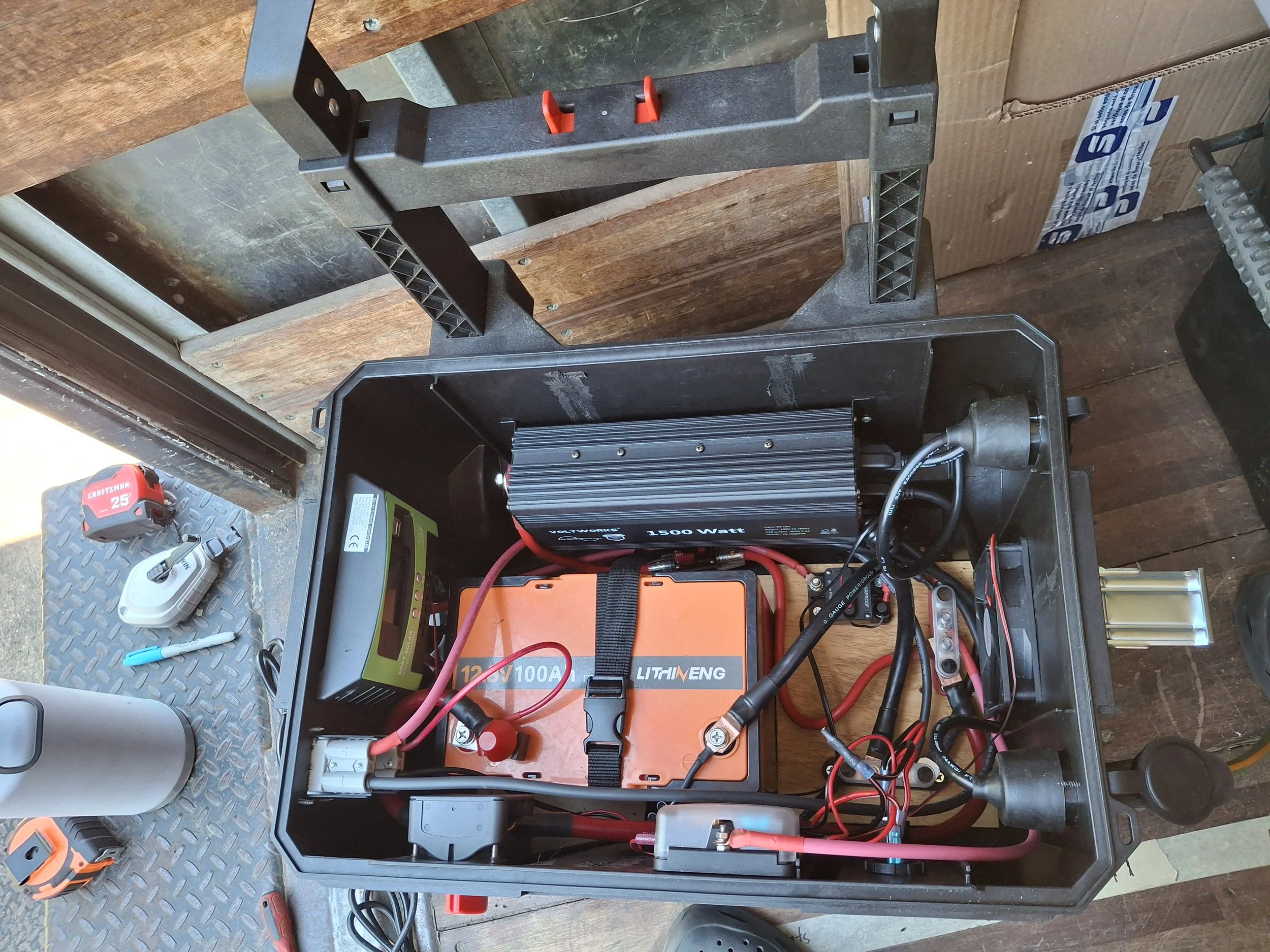
Working inside a storage unit presented an unexpected problem. I had a place to build, but I didn't have reliable power. I could have purchased a portable power station, but the more I researched them, the more I realized something. If I built one myself, I'd learn the skills I would eventually need to design and install the truck's complete solar electrical system.
So instead of clicking "Buy Now," I started studying. I learned about lithium batteries, inverters, battery management systems, fuse protection, charging, and safe wiring practices. What began as a simple need for electricity quickly became an education in off-grid power. When I finished, I had built my own portable power station.
More importantly, I had built the confidence to tackle the much larger electrical system that would eventually power the entire truck. Looking back, this wasn't just a battery in a toolbox. It was the first time I truly believed I could learn anything this project demanded of me.
Where the Transformation Began
October 2025
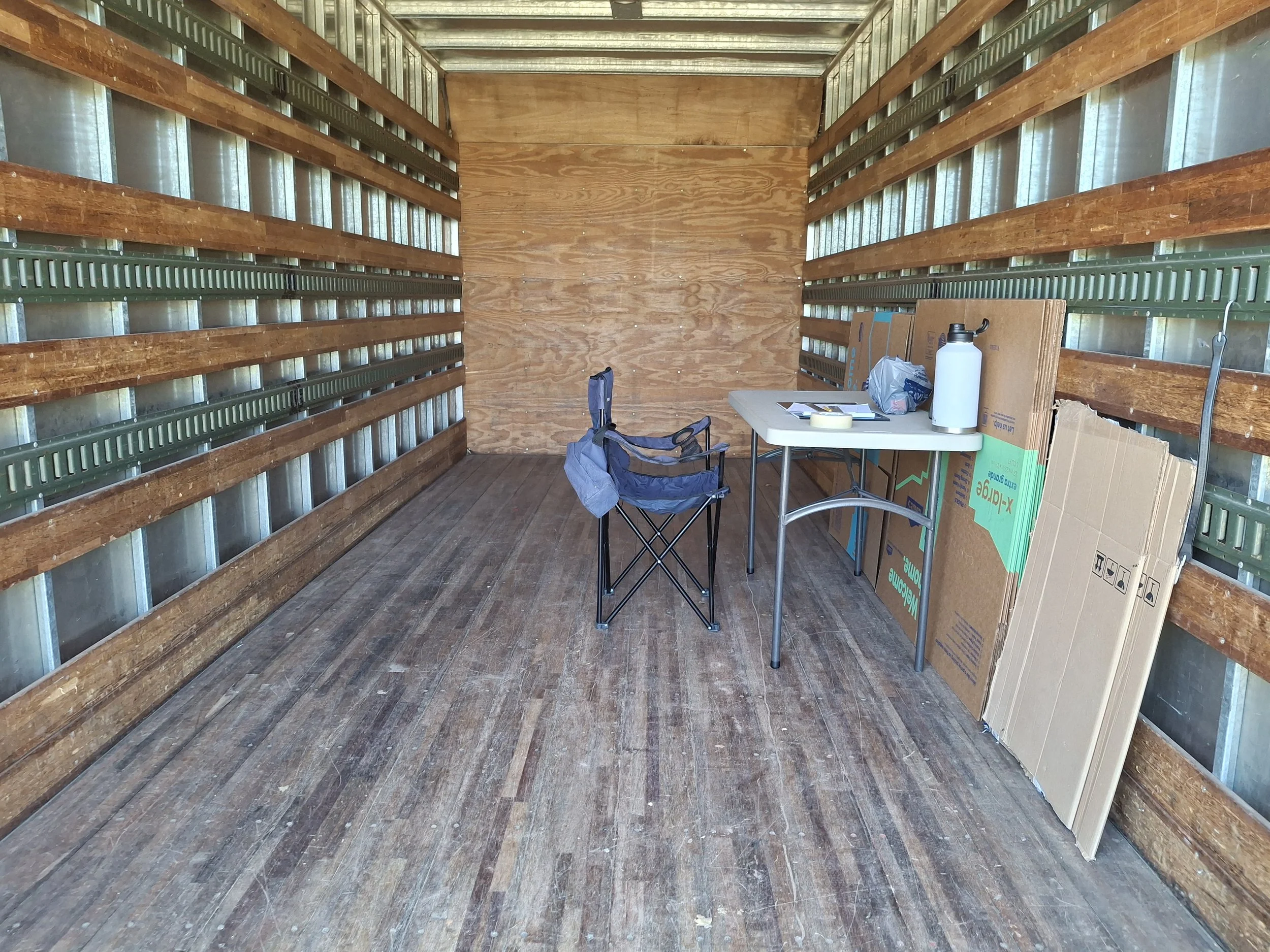
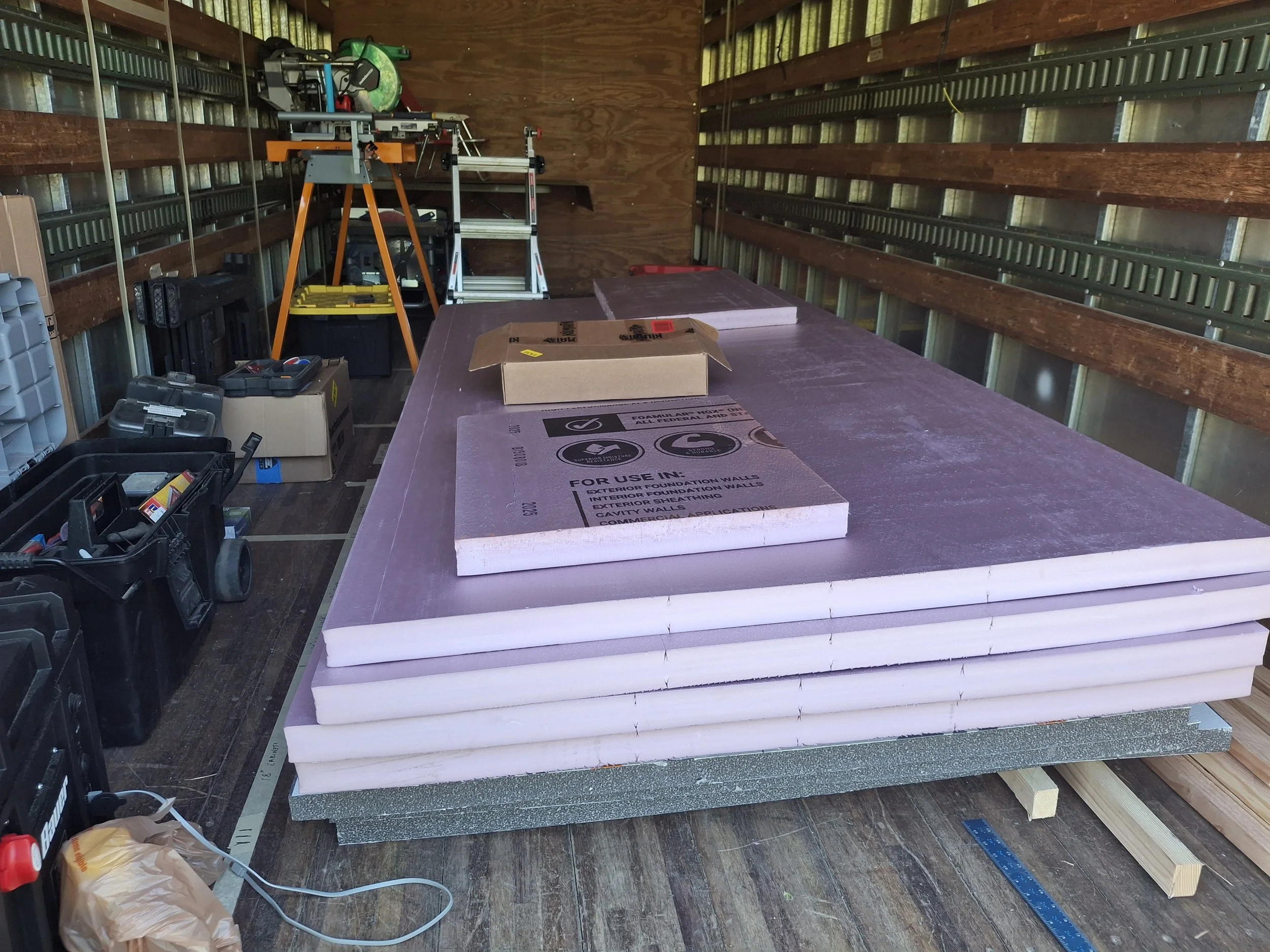
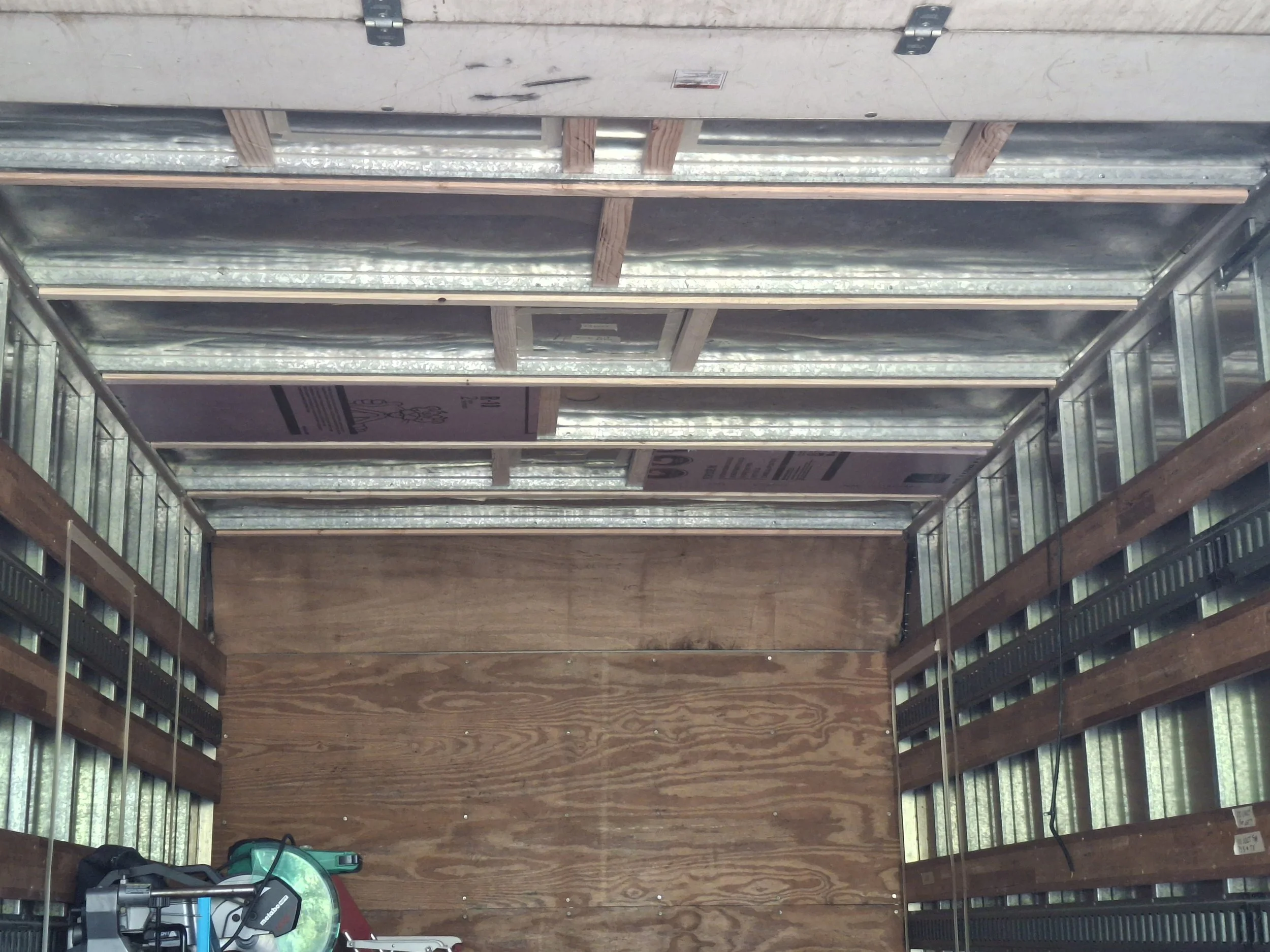
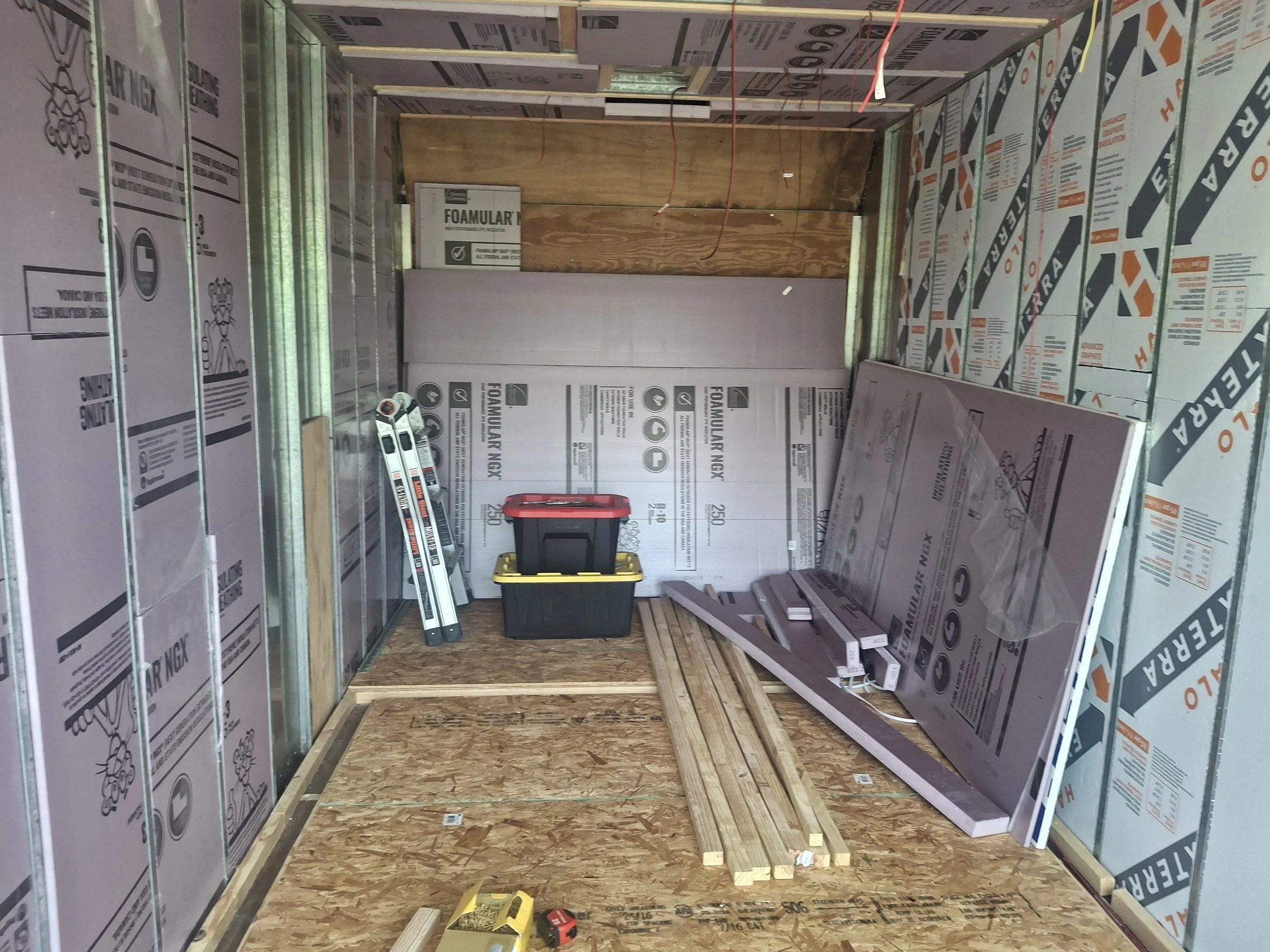
Looking at the empty cargo box, I wasn't thinking about walls, solar panels, or cameras. I was simply wondering whether I could actually build what I had imagined. The first major delivery wasn't furniture or camera equipment. It was insulation.
It wasn't glamorous, but I knew this was where the transformation really began. Every sheet I installed represented another small step toward turning an ordinary commercial box truck into something completely different.
Looking back now, I realize I wasn't just insulating a truck - I was laying the foundation for a dream.
Every Project Has Its First Obstacle
October 2025
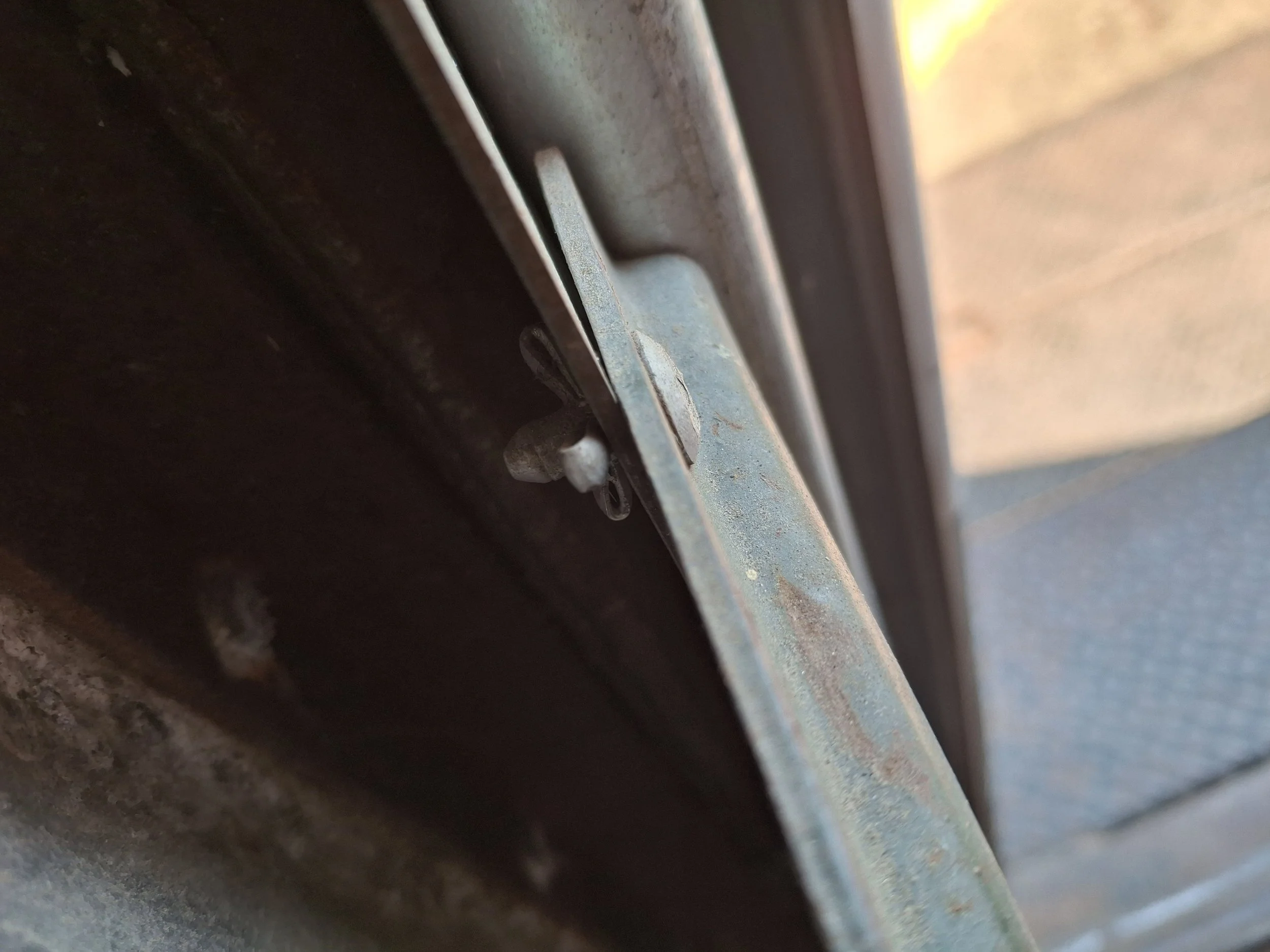
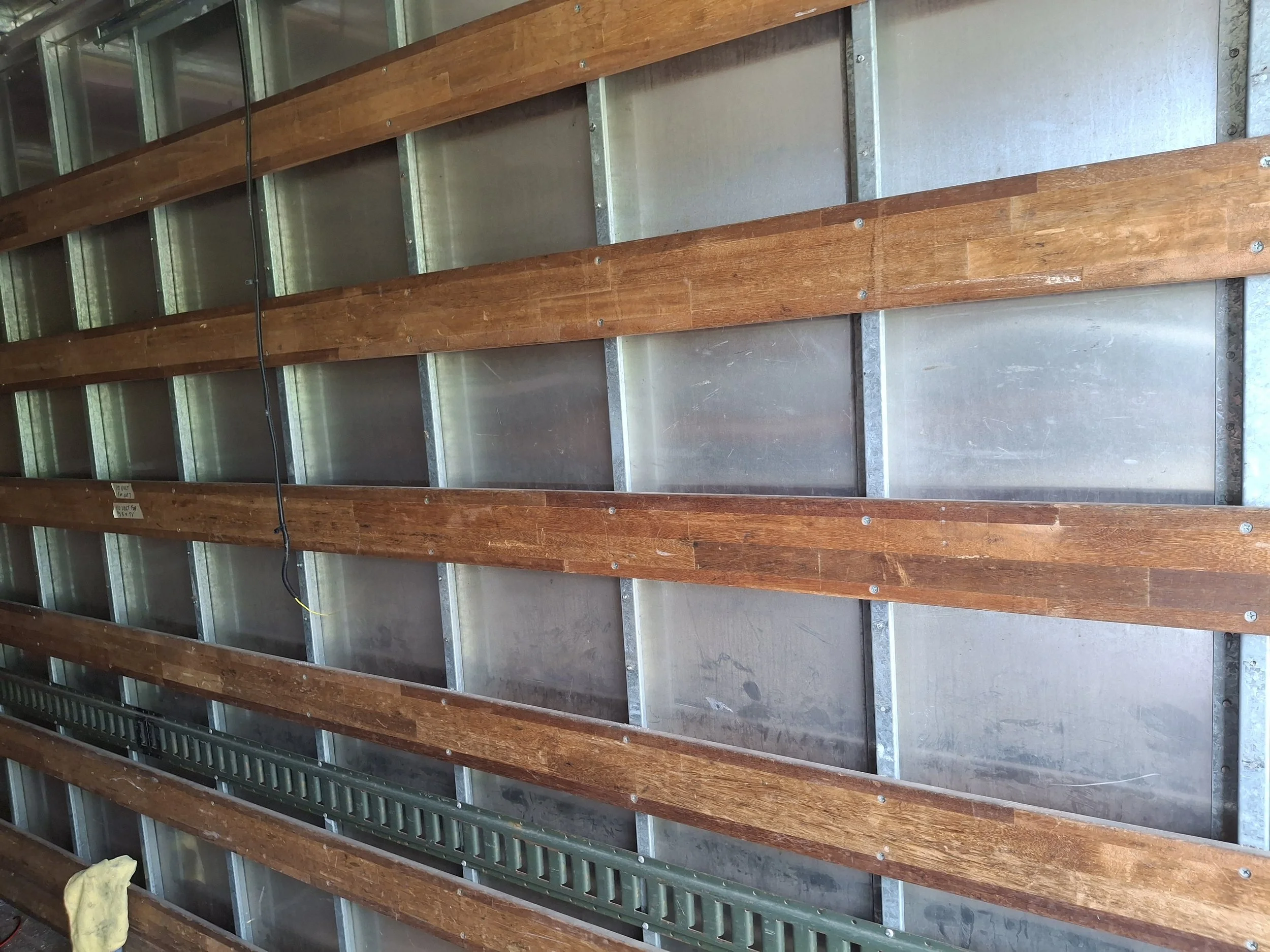
At first glance, the E-track looked like it would come off with a few bolts and a wrench. I quickly discovered it wasn't that simple. Every section was held in place by dozens of steel rivets. I had never removed rivets like these before, and every method I tried either took far too long or damaged the metal around them.
For the next couple of days, I spent as much time researching and experimenting as I did actually working on the truck. I watched videos, read forums, and tested different techniques, convinced there had to be a better way. Finally, I found it. Using a hole-saw style drill bit that was just slightly smaller than the head of each rivet, I drilled around the outside edge until the head separated. Then, with a center punch, I drove the remaining rivet through the wall. It wasn't fast, but it worked.
Once I finally figured out the process, it still took nearly 16 hours to remove every piece of E-track from the truck. That day taught me something that stayed with me throughout the entire build. This project wasn't going to be about how much I already knew. It was going to be about how willing I was to keep learning until I found a solution.
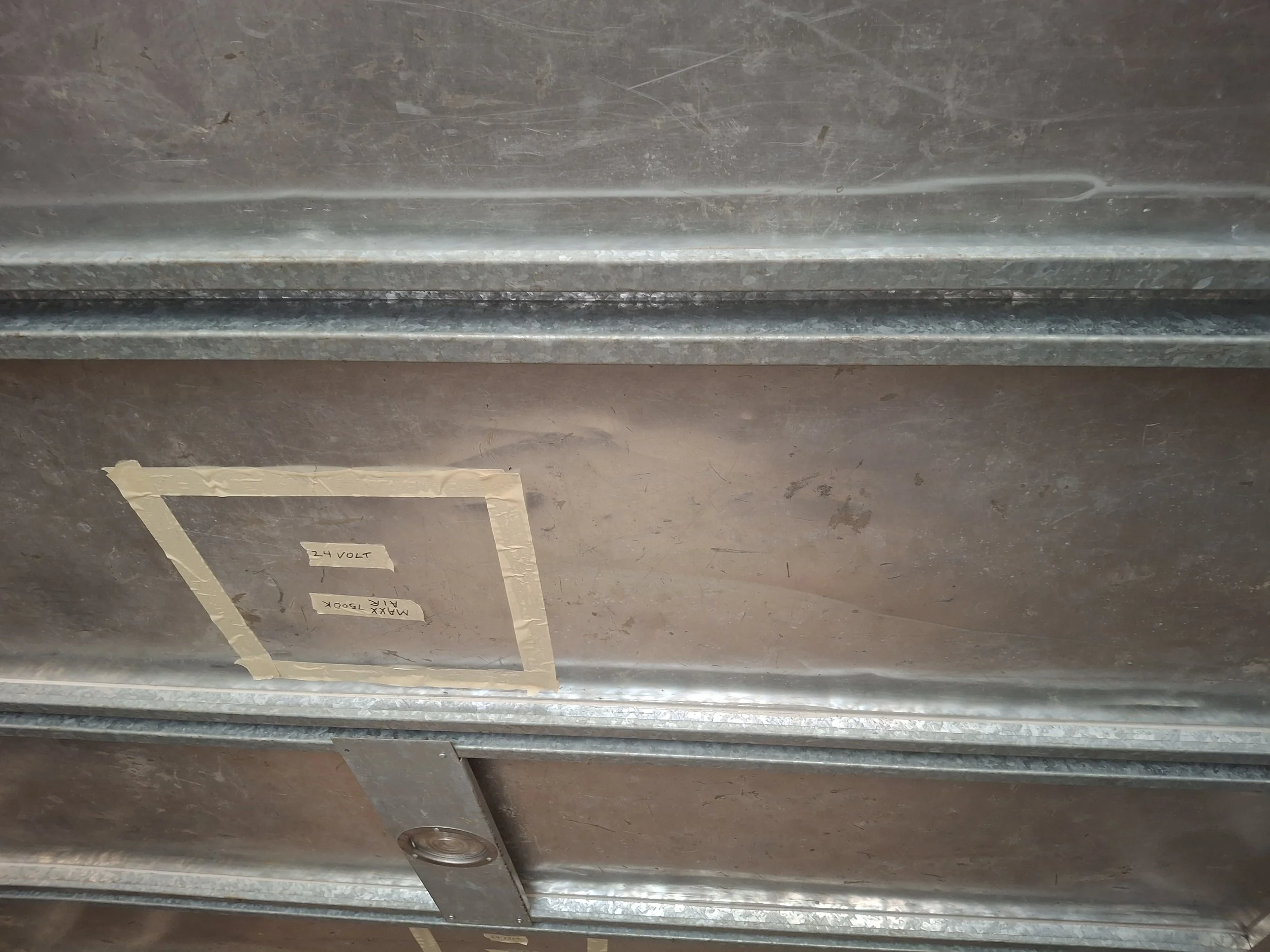
Before insulation could begin, I had to think about everything that would eventually disappear behind the walls—wiring, lighting, ceiling panels, and future access points. Every hidden decision had to be made before the first piece of insulation was installed.
Follow the Journey
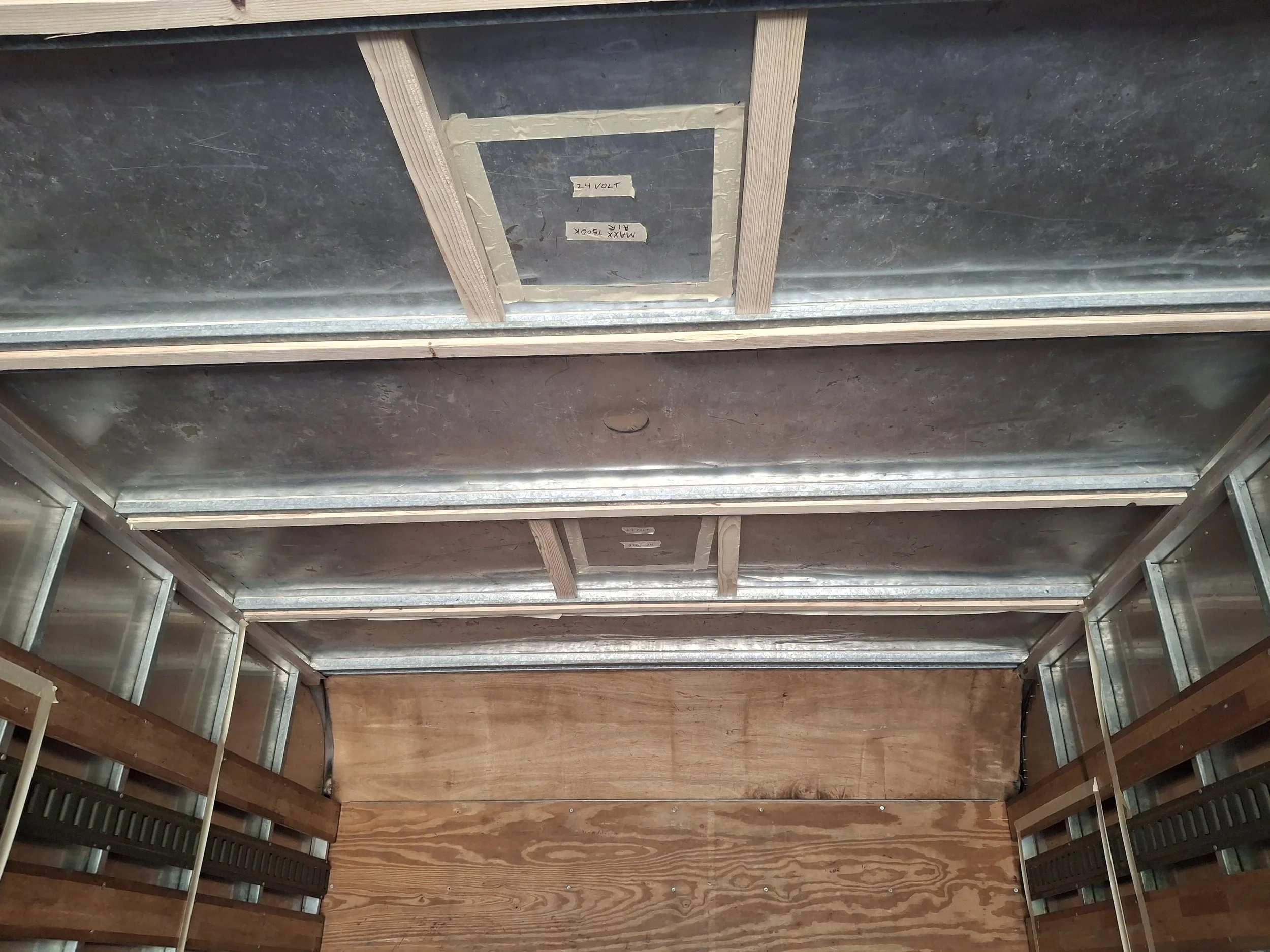
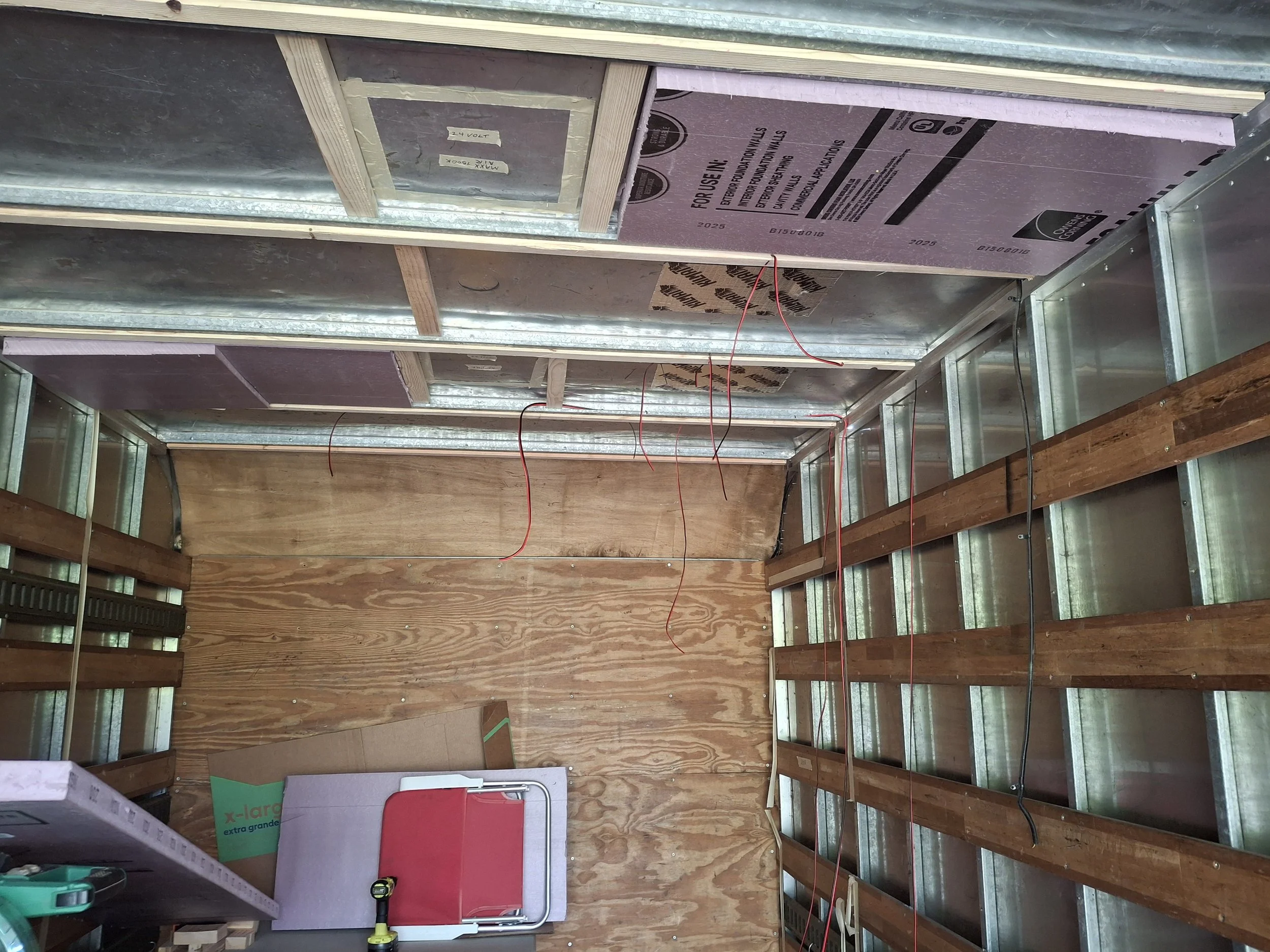
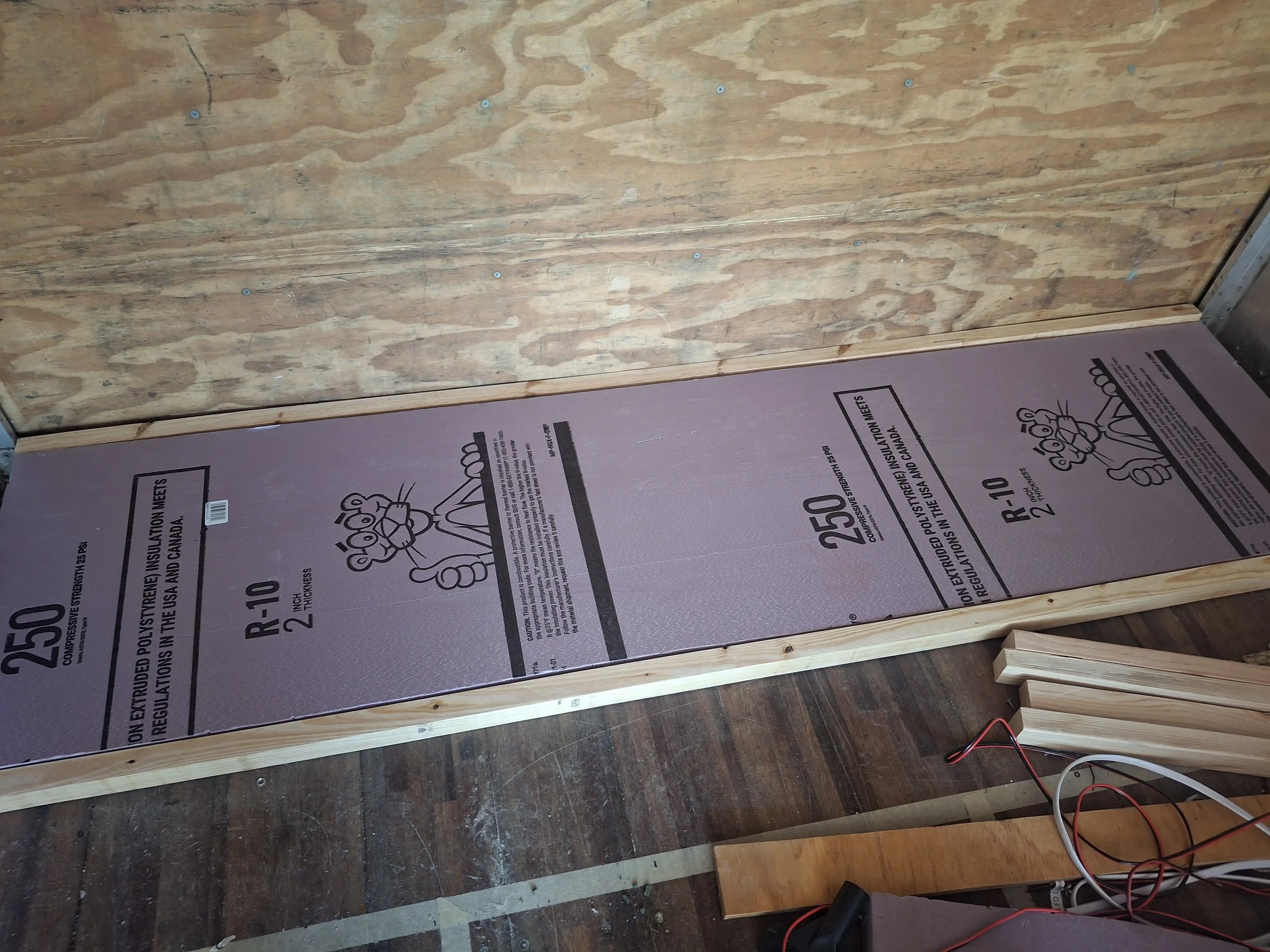
The first piece always feels small. But that single panel represented the moment the truck stopped being an empty cargo box and started becoming a living space.
Building the Foundation
November 2025
Before I could build walls, cabinets, or furniture, I had to create the foundation that everything else would sit on.
The floor was my first priority. I installed two inches of rigid foam insulation between the floor framing before covering it with a new OSB subfloor. It wasn't the most exciting part of the project, but I knew every future step depended on getting this right.
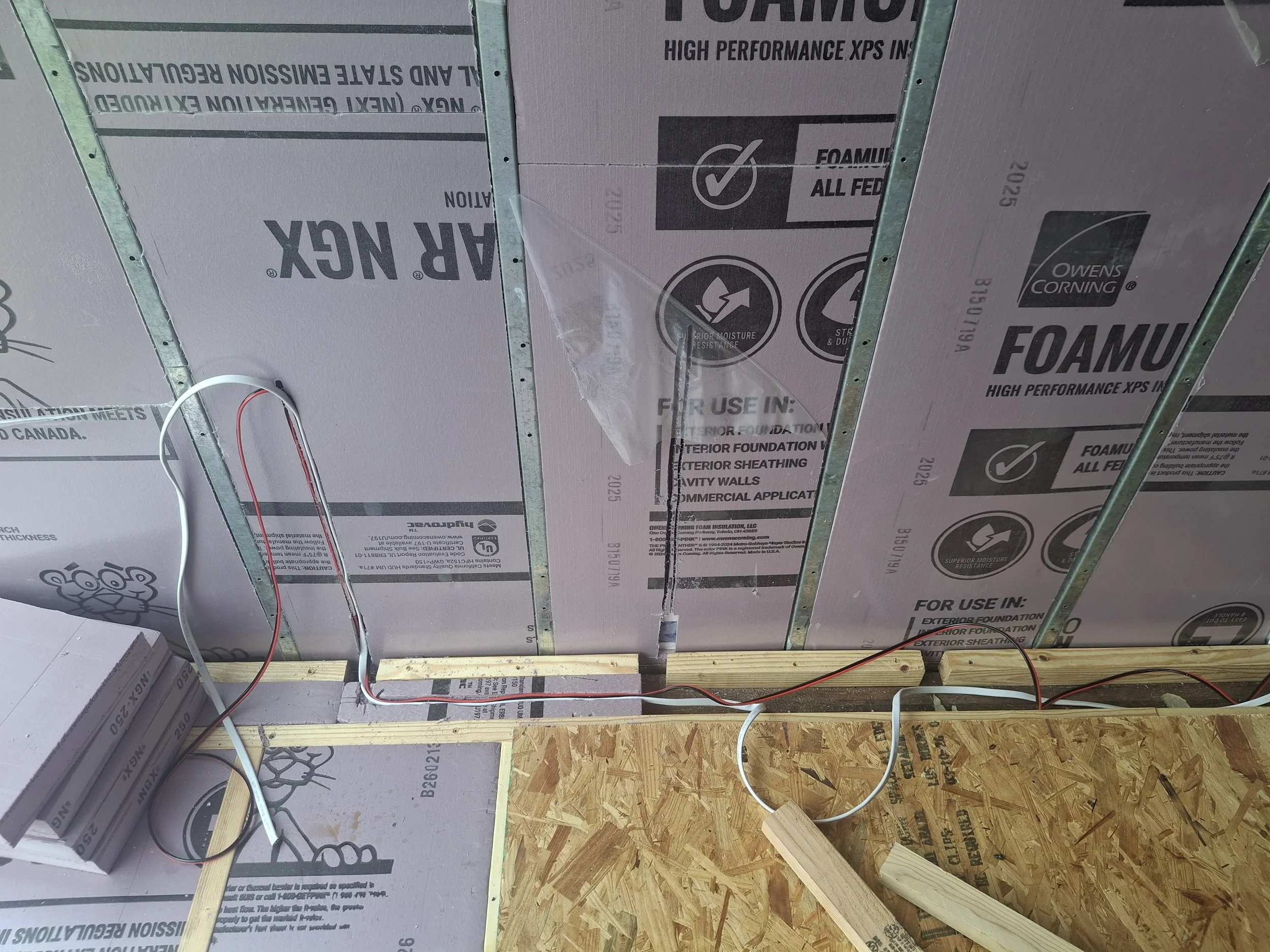
As I worked, I also had to think months ahead. Rather than burying electrical wiring inside the walls where it would be difficult to access later, I intentionally left wiring channels along both sides of the truck and another channel running across the front of the floor. Those hidden pathways would eventually carry power, lighting, and communication cables throughout the entire build.
By the time the subfloor was installed, the truck had changed dramatically. What had once been an empty cargo box was beginning to feel like the framework of a future home and mobile storytelling studio.
Every piece of insulation hidden behind the walls and beneath the floor was an investment in comfort, efficiency, and reliability. Most visitors will never see it—but it may be one of the most important parts of the entire build.
Thinking Five Steps Ahead
One of the biggest lessons this project taught me was that you can't just build what's in front of you.
Before another sheet of insulation went into the walls, I had to imagine where every light, outlet, switch, USB charger, fan, and appliance would eventually live. Once the walls were closed, there would be no easy way back.
That's why I built wiring channels along both sides of the truck and across the floor. It took more time, but it meant I could always add, replace, or repair wiring without tearing the truck apart.
Building this truck became a lot like writing a book.
The parts people notice are only possible because of all the planning they never see.
Learning a New Language
June 2026
The Texas heat finally forced me to change my approach.
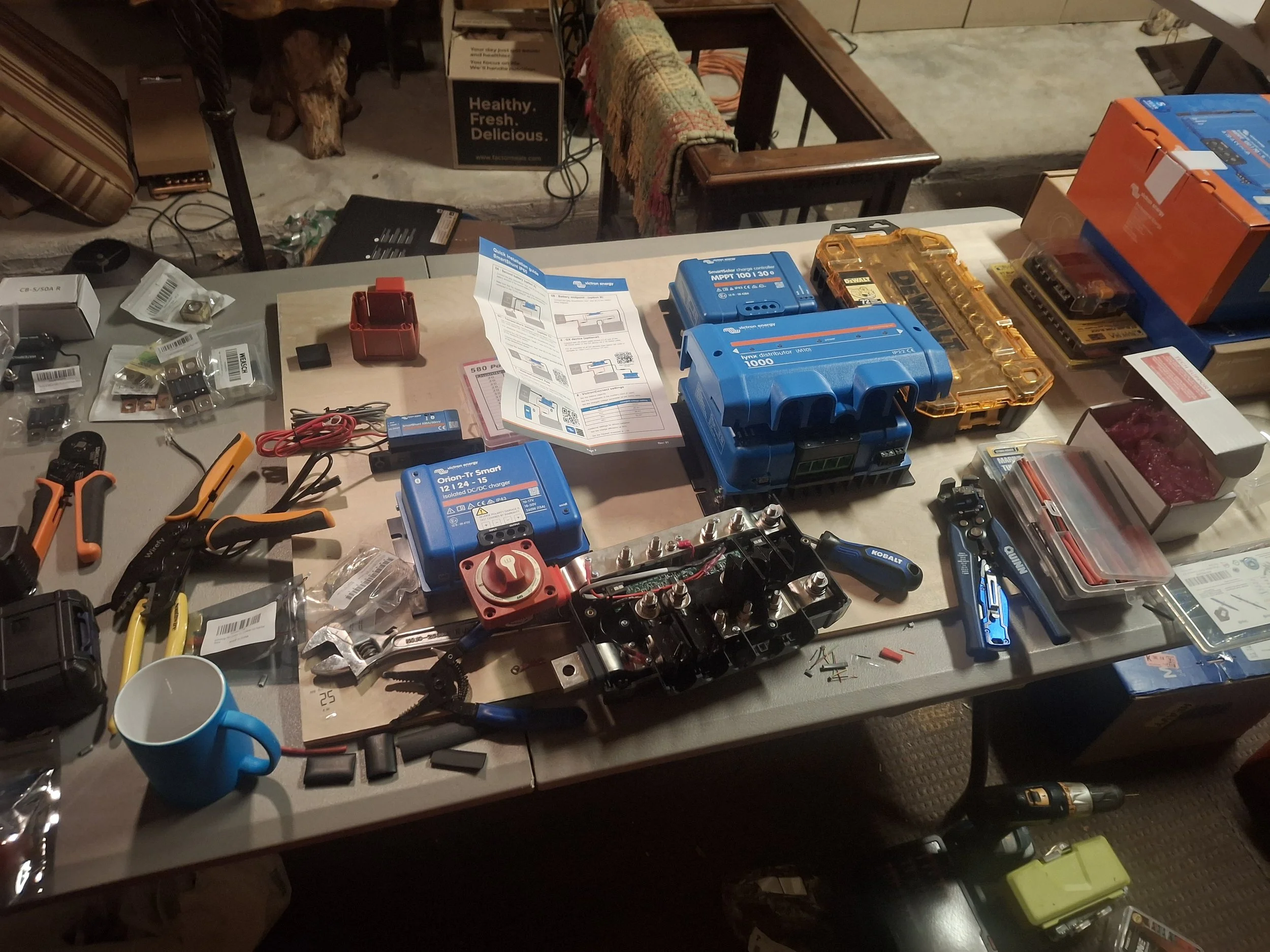
Working inside the truck had become miserable, so I decided to bring one of the biggest parts of the project into my garage. Instead of simply buying a pre-wired electrical system, I made a decision that would change the entire build—I was going to learn how to design and build it myself.
The more I researched, the more I realized I didn't just want electricity in the truck. I wanted to understand how every component worked and why it belonged there.
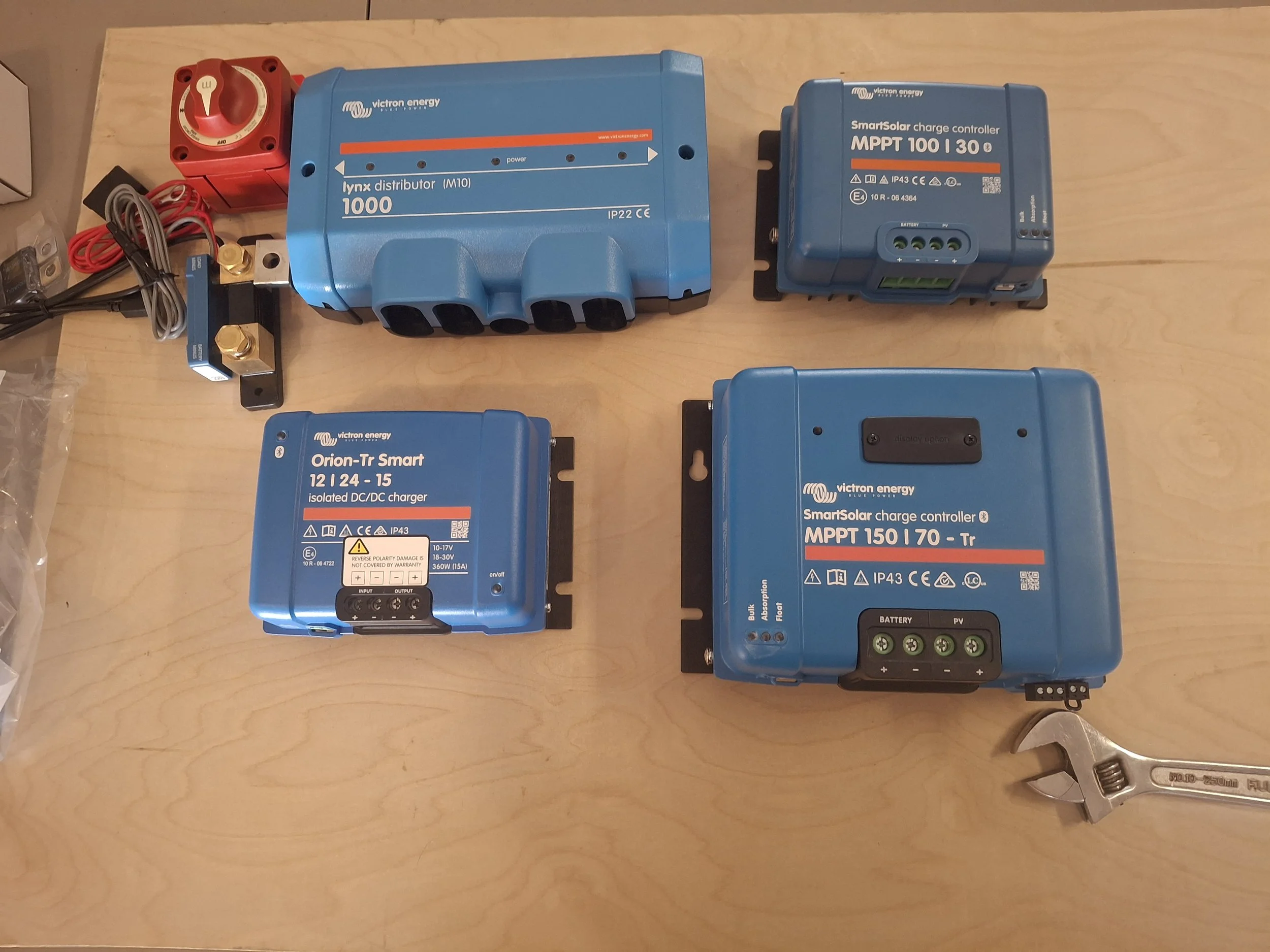
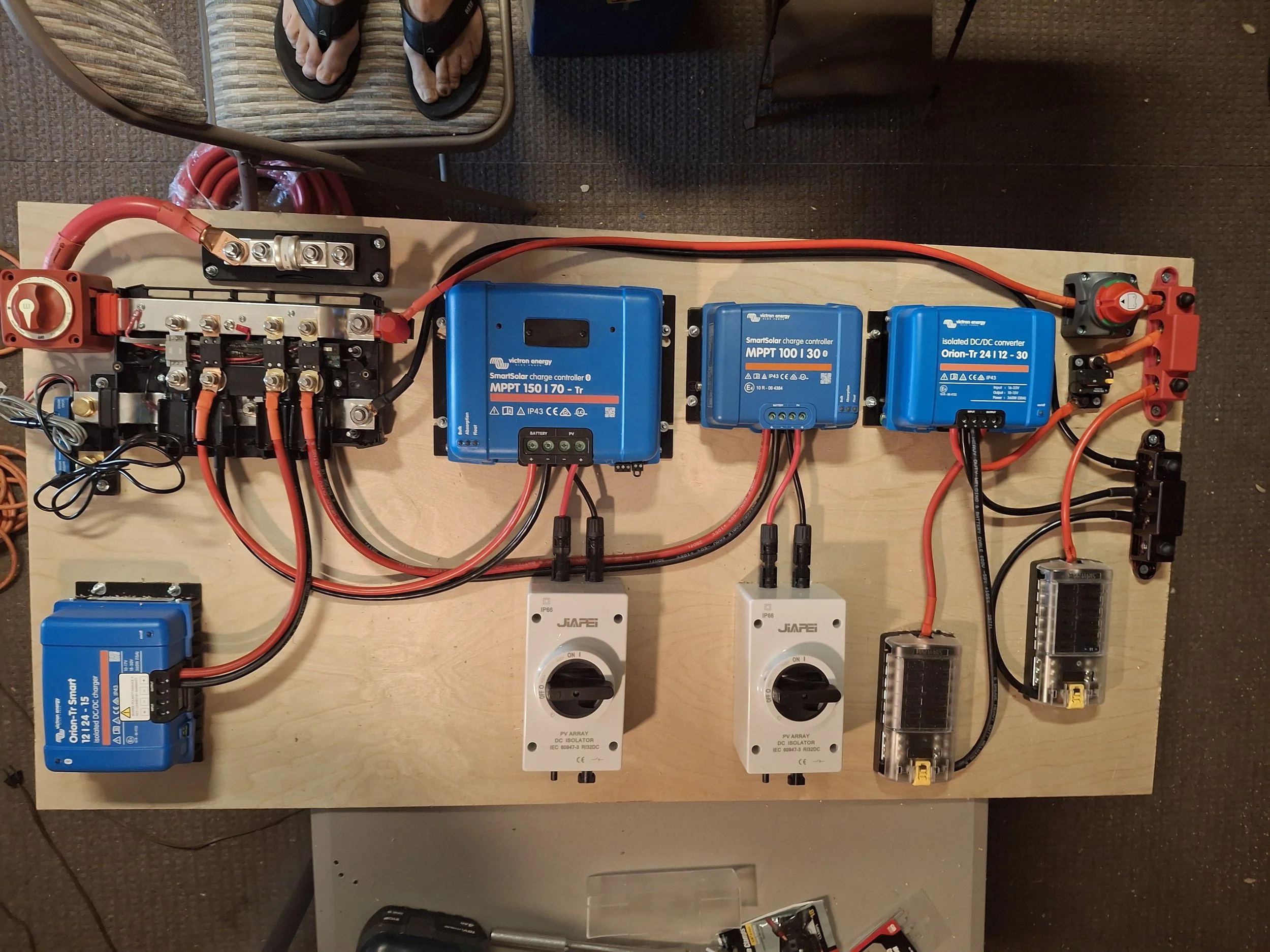
The garage slowly turned into a classroom. My workbench filled with Victron components, wiring diagrams, fuses, bus bars, and tools. Every evening I studied manuals, watched videos, and compared ideas with builders who had already traveled this road before me.
Little by little, the pieces began to make sense.
The finished electrical board represented far more than a collection of blue boxes and heavy cables. It represented hundreds of hours spent learning something completely outside my comfort zone.
When I finally mounted the completed system together, I realized I hadn't just built the heart of the truck's electrical system.
I had built confidence.
One lesson this entire project kept teaching me was that almost everything feels impossible—until you understand it.
This project is only beginning.
Every Life Has a Story Worth Telling.
Thank you for visiting. Whether you're here because of Two Miracles, the historical trilogy, the truck build, or the Stories of Hope project, I hope you'll follow along as this journey continues.
Connect with me: